
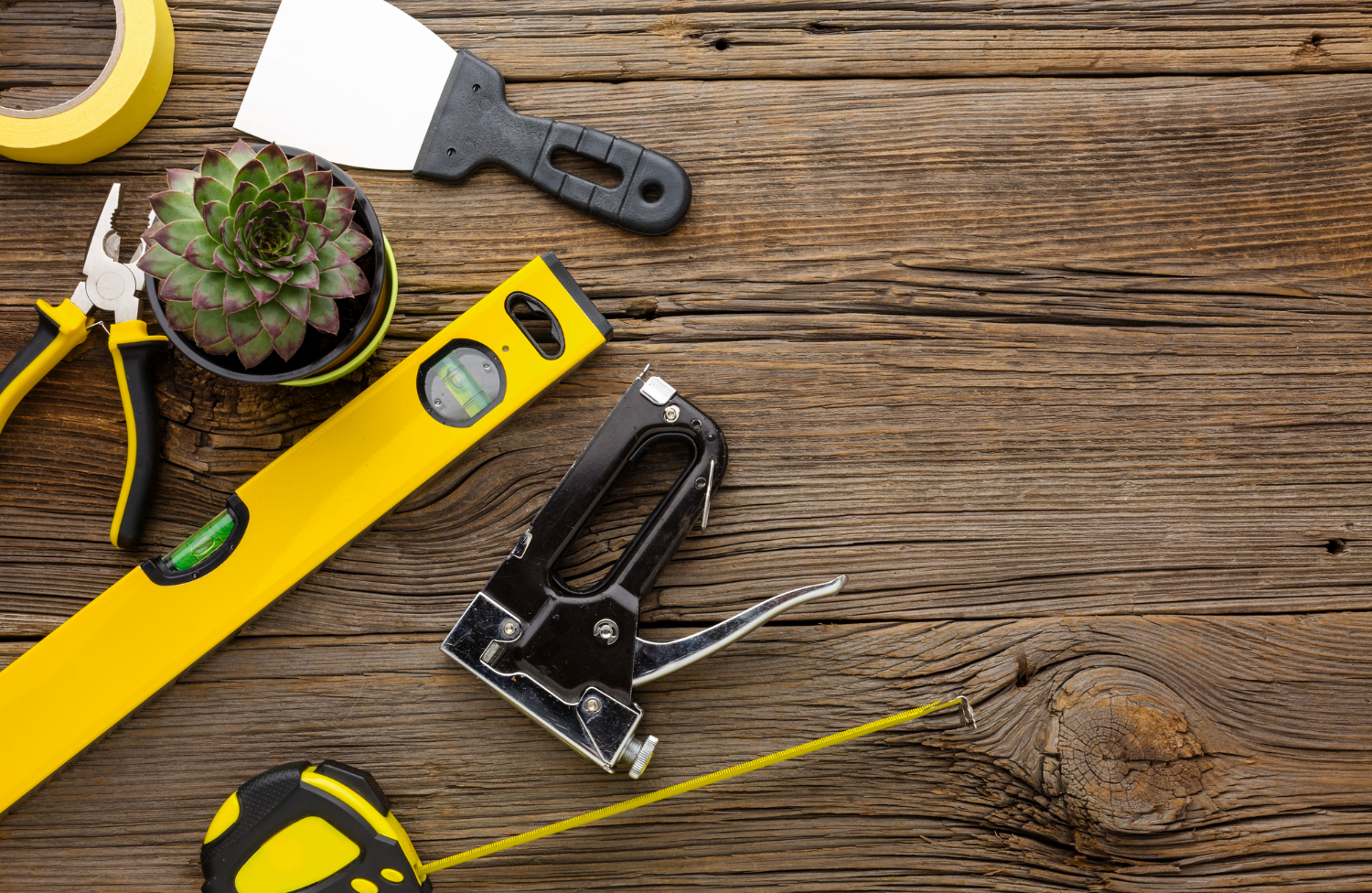
One of the biggest differences between a project that looks professional and one that doesn’t often comes down to one simple thing: accurate measuring. You can have the best materials and the most expensive tools, but if your measurements are off, the final result probably will be too.
Fortunately, you don’t need a workshop full of specialized equipment to measure accurately. Three simple tools—a tape measure, a square, and a level—are enough to tackle most home improvement and DIY projects. Understanding what each tool does and when to use it can save time, reduce waste, and help you avoid frustrating mistakes.
Why Accurate Measuring Matters
The old saying “measure twice, cut once” has stood the test of time for a reason. Incorrect measurements can lead to wasted materials, uneven installations, and repairs that take twice as long to complete.
Whether you’re building a bookshelf, installing cabinets, hanging artwork, or cutting lumber, taking a few extra moments to measure carefully can make all the difference.
Tape Measures: The Foundation of Every Project
If there’s one measuring tool every homeowner should own, it’s a tape measure. It’s used for everything from checking room dimensions to measuring lumber before making a cut.
How a Tape Measure Works
A tape measure consists of a flexible steel blade marked with inches, feet, or metric measurements. Most household models include a locking mechanism that holds the tape in place while you take measurements.
The small metal hook at the end isn’t loose by accident—it moves slightly to compensate for its own thickness. This allows for accurate inside and outside measurements.
Choosing the Right Tape Measure
For general home use, a 25-foot tape measure is the most versatile option. Look for features like:
- Easy-to-read markings
- Durable blade coating
- Strong locking mechanism
- Comfortable rubber grip
- Wide blade that extends without bending
While compact 12-foot tape measures are convenient, a longer model is better suited for larger projects around the home.
Tips for Better Measurements
Always keep the tape straight and fully extended. If possible, measure from the same reference point each time instead of estimating or transferring measurements repeatedly.
When precision matters, measure twice before making any cuts.
Squares: Creating Perfect Angles
A square helps you create and verify 90-degree angles, ensuring cuts are straight and corners line up properly.
Without one, even carefully measured projects can end up crooked.
Common Types of Squares
Speed Square
The speed square is a favorite among DIYers and professionals alike. Its triangular shape makes it useful for marking straight lines, checking right angles, and guiding circular saws during cuts.
It’s compact, durable, and surprisingly versatile.
Combination Square
A combination square features an adjustable ruler attached to a metal head. It’s excellent for measuring depth, marking lines, checking 90-degree and 45-degree angles, and ensuring boards are perfectly square.
Because it adjusts easily, it’s one of the most flexible measuring tools available.
Framing Square
Larger and shaped like the letter “L,” a framing square is commonly used for construction, deck building, and larger woodworking projects. While beginners may not need one immediately, it’s invaluable for bigger DIY jobs.
Levels: Making Sure Everything Is Straight
Nothing catches the eye faster than a crooked shelf or a tilted picture frame. A level helps ensure surfaces are perfectly horizontal or vertical.
How a Level Works
Traditional levels contain small liquid-filled tubes with air bubbles inside. When the bubble rests between the marked lines, the surface is level.
Most levels include:
- Horizontal vial
- Vertical vial
- 45-degree vial
These allow you to check different angles depending on the project.
Types of Levels
Spirit Level
This is the classic level found in most toolboxes. Available in various lengths, it’s ideal for hanging shelves, installing cabinets, and checking countertops.
A 24-inch model is a great all-around choice for homeowners.
Torpedo Level
Smaller and easier to carry, torpedo levels fit into tight spaces where larger levels won’t. They’re especially useful for plumbing work, appliance installation, and smaller repairs.
Laser Level
Laser levels project perfectly straight lines across walls or floors, making them excellent for installing tile, hanging multiple picture frames, or aligning cabinets.
Although more expensive than traditional levels, they save time on larger projects.
Using These Tools Together
Most projects require more than one measuring tool.
Imagine you’re installing floating shelves:
- Use the tape measure to determine spacing.
- Use the level to ensure each shelf is perfectly horizontal.
- Use the square to mark accurate drill locations and maintain right angles.
Together, these tools create cleaner, more professional-looking results.
Common Measuring Mistakes
Even experienced DIYers occasionally make measurement errors. Here are a few to avoid:
- Reading the wrong measurement mark
- Forgetting to account for material thickness
- Measuring only once
- Using damaged or bent measuring tools
- Assuming walls or floors are perfectly square
Taking your time and double-checking your work helps prevent costly mistakes later.
Caring for Your Measuring Tools
Measuring tools don’t require much maintenance, but a little care goes a long way.
Keep tape measures clean and allow the blade to retract slowly to prevent damage. Store squares where they won’t become bent, and avoid dropping levels, as impacts can affect their accuracy.
Periodically check your tools against a known straight edge or square to ensure they’re still providing reliable measurements.
Every successful DIY project begins with accurate measurements.
Tape measures, squares, and levels may seem simple, but they’re among the most important tools you’ll own. Together, they help ensure your cuts are accurate, your installations are straight, and your finished projects look polished and professional.
Whether you’re tackling your first home repair or building furniture from scratch, investing in quality measuring tools—and learning how to use them properly—is one of the smartest decisions you can make. After all, when your measurements are right, everything else tends to fall into place.