
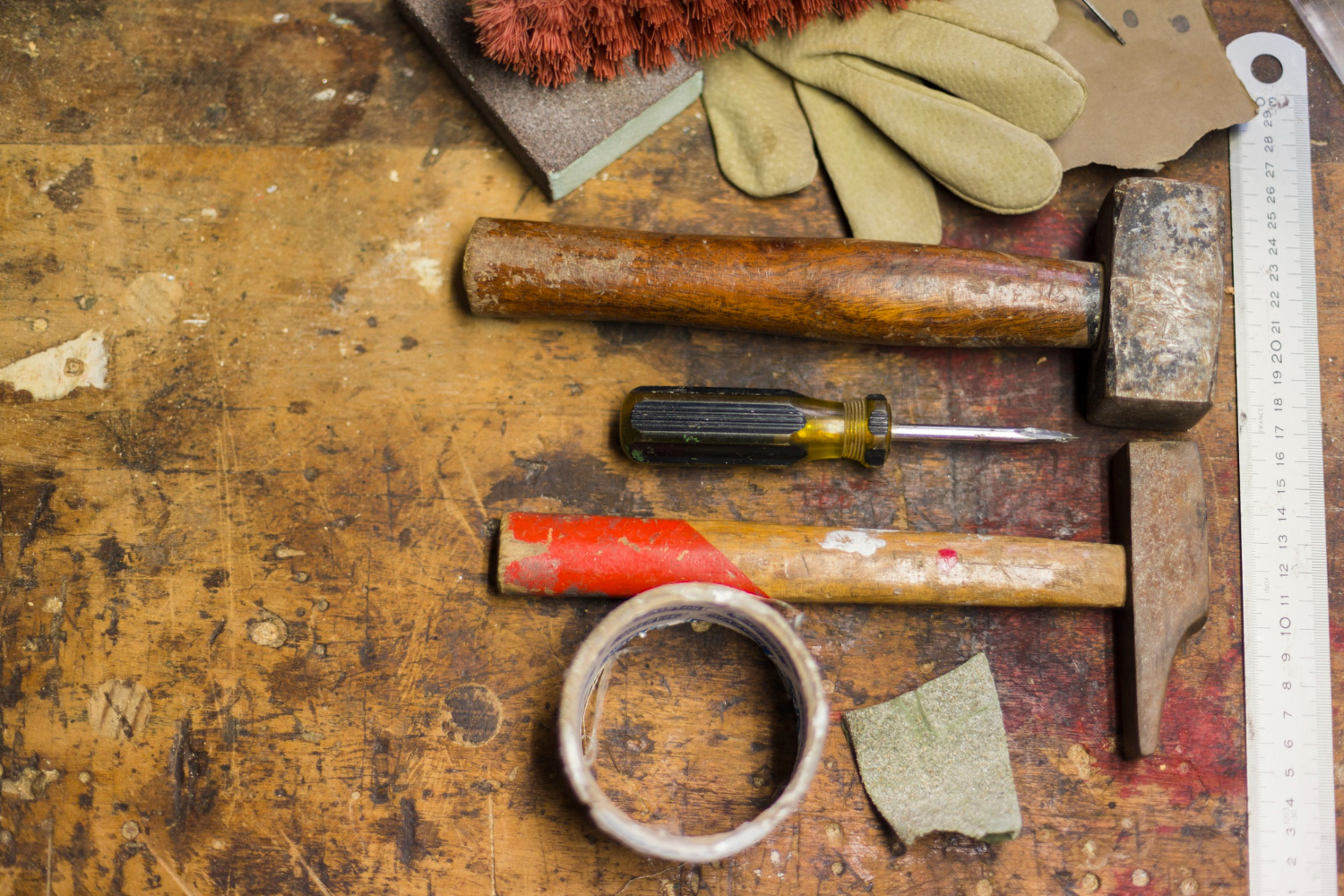
Walk into any hardware store, and you’ll quickly discover that not all hammers are the same. While many homeowners assume a single hammer can handle every task, different projects often call for different designs, weights, and features.
Using the right hammer not only makes your work easier but also improves accuracy, reduces fatigue, and helps prevent damage to your materials. Whether you’re hanging pictures, building a deck, or doing light demolition, understanding the different types of hammers will help you choose the best tool for the job.
Why the Right Hammer Matters
A hammer may seem like one of the simplest tools in the toolbox, but its design directly affects how efficiently it performs. The weight of the head, the shape of the striking face, and even the handle material all influence how much force is delivered and how comfortable the tool feels during extended use.
Choosing the wrong hammer can lead to bent nails, damaged surfaces, sore hands, or unnecessary effort.
Claw Hammer: The Everyday Essential
For most homeowners, the claw hammer is the go-to choice. It’s designed for driving nails into wood and removing them with the curved claw on the back of the head.
Common uses include:
- Hanging pictures
- Building furniture
- Installing trim
- General household repairs
- Small woodworking projects
A 16-ounce claw hammer offers a good balance between power and control, making it ideal for everyday DIY tasks.
Framing Hammer: Built for Heavy-Duty Work
If you’re tackling larger construction projects, a framing hammer is worth considering. These hammers typically have heavier heads—usually between 20 and 28 ounces—and longer handles that generate greater striking force.
Many framing hammers feature a straight claw, which provides extra leverage for pulling apart lumber during demolition or remodeling.
They’re commonly used for:
- Building decks
- Framing walls
- Roofing
- Large woodworking projects
Because of their weight, framing hammers aren’t always the best choice for smaller household repairs.
Ball Peen Hammer: Ideal for Metalwork
Unlike a claw hammer, a ball peen hammer has a rounded end instead of a nail-pulling claw. It’s designed specifically for working with metal.
This type of hammer is commonly used to:
- Shape metal
- Strike chisels and punches
- Rivet metal components
- Remove dents from metal surfaces
Unless you regularly work with metal fabrication or automotive repairs, this isn’t typically the first hammer a homeowner needs.
Rubber Mallet: Gentle but Effective
Sometimes you need force without leaving dents or scratches. That’s where a rubber mallet comes in.
Its soft rubber head delivers controlled impact while protecting delicate surfaces.
Rubber mallets are perfect for:
- Assembling furniture
- Installing laminate flooring
- Positioning pavers
- Adjusting tile
- Working with soft materials
They’re also useful when you need to persuade parts into place without damaging finishes.
Dead Blow Hammer: Controlled Impact
A dead blow hammer looks similar to a rubber mallet but contains steel shot or sand inside the head. This added weight reduces rebound after each strike, delivering more force while minimizing bounce.
It’s especially useful for:
- Automotive repairs
- Machinery maintenance
- Aligning metal parts
- Precision assembly
Because the hammer absorbs much of the impact, it’s easier to control and less likely to cause accidental damage.
Sledgehammer: Maximum Power
When serious force is required, a sledgehammer gets the job done.
Available in various sizes, sledgehammers are designed for tasks such as:
- Breaking concrete
- Demolition
- Driving stakes
- Splitting stone
- Heavy landscaping work
Due to their weight, they require proper technique and should only be used when the project truly demands extra power.
Choosing the Right Weight
Hammer weight affects both striking force and user comfort.
Here are some general guidelines:
- 8–12 ounces: Craft projects, light trim work, and small finish nails
- 16 ounces: General home repairs and everyday DIY projects
- 20–22 ounces: Framing and construction work
- 24 ounces and above: Heavy-duty building and demolition
A heavier hammer isn’t always better. In many cases, using a lighter hammer with good technique results in greater accuracy and less fatigue.
Handle Materials Explained
The handle plays an important role in both comfort and durability.
Wood Handles
Traditional wooden handles absorb vibration well and are comfortable to use. Hickory remains one of the most popular choices because it’s strong and naturally shock resistant.
Fiberglass Handles
Fiberglass handles combine durability with excellent vibration reduction. They’re resistant to moisture and require very little maintenance, making them a favorite among homeowners.
Steel Handles
Steel handles are incredibly durable but transfer more vibration to your hand. Many manufacturers add rubber grips to improve comfort during extended use.
Features Worth Looking For
When shopping for a hammer, consider features that improve performance and safety.
Some useful features include:
- Comfortable non-slip grip
- Balanced weight distribution
- Smooth or milled striking face
- Magnetic nail starter for one-handed use
- Rust-resistant finish
These small details can make a noticeable difference during longer projects.
Hammer Safety Tips
Even simple tools require safe handling.
Keep these best practices in mind:
- Always wear safety glasses.
- Inspect the hammer before each use for loose heads or cracked handles.
- Strike nails squarely to reduce the chance of glancing blows.
- Never use a hammer with a damaged face or handle.
- Store hammers in a dry location to prevent rust and handle deterioration.
A few seconds of preparation can help prevent injuries and extend the life of your tools.
The right hammer can make any project easier, safer, and more enjoyable.
While a quality 16-ounce claw hammer is enough for most homeowners, understanding the purpose of specialty hammers allows you to choose the right tool when larger or more specialized projects come along.
Rather than buying every type available, start with one dependable claw hammer and expand your collection as your DIY skills grow. With the right hammer in your hand, even challenging projects become more manageable—and the results are often much more satisfying.