
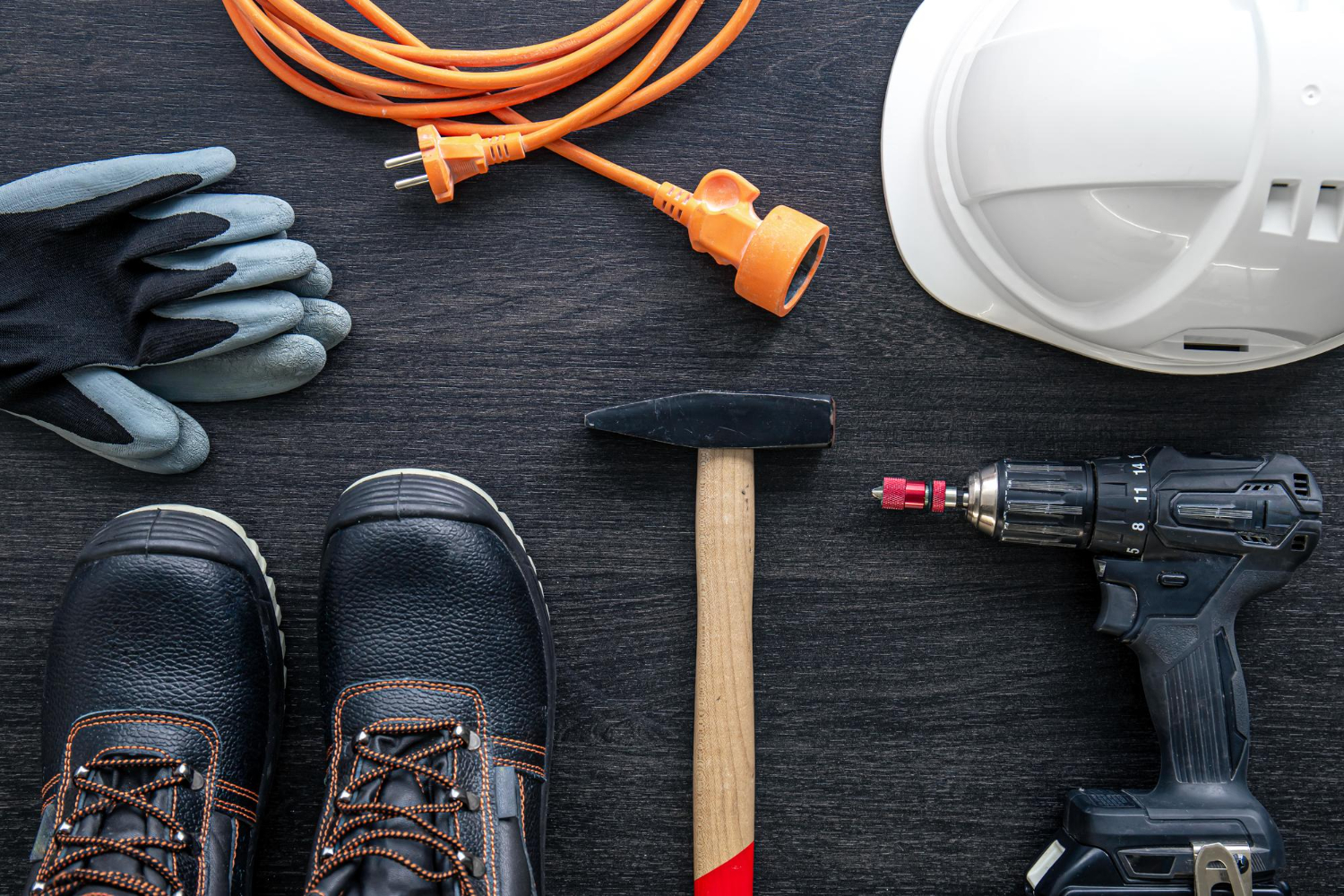
There’s something satisfying about tackling a project with your own two hands. Whether you’re building a bookshelf, installing new flooring, or simply hanging shelves in the garage, DIY projects can save money and teach valuable skills. But before you pick up a drill or swing a hammer, it’s important to think about something many beginners overlook: safety.
The right protective gear doesn’t just reduce the risk of injury—it also makes you more confident and comfortable while you work. Fortunately, you don’t need an expensive collection of equipment to stay safe. A few essential items can protect you from the most common hazards you’ll encounter around the house or workshop.
Safety Glasses: Protect Your Eyes
Your eyes are incredibly vulnerable during DIY projects. Sawdust, flying metal fragments, splinters, and even tiny chips of paint can cause serious injuries in an instant.
Safety glasses should be the first thing you put on before using power tools, cutting materials, sanding surfaces, or hammering nails.
When shopping for safety glasses, look for features like:
- Impact-resistant lenses
- Anti-fog coating
- UV protection for outdoor work
- Comfortable, wraparound design
If you wear prescription glasses, consider safety goggles designed to fit over them or invest in prescription safety eyewear.
Hearing Protection
Many power tools produce noise levels that can damage your hearing over time. Circular saws, routers, angle grinders, and even shop vacuums can expose you to prolonged loud noise.
There are two common options:
Foam Earplugs
Disposable foam earplugs are inexpensive, lightweight, and easy to carry. They’re ideal for occasional projects and provide excellent noise reduction when inserted correctly.
Earmuffs
Over-the-ear hearing protectors are reusable, comfortable for longer jobs, and easy to remove when you need to communicate with others.
If you’re using loud equipment for more than a few minutes, hearing protection is a smart habit.
Work Gloves
Not every project requires gloves, but they’re invaluable when handling rough materials or performing heavy-duty work.
A good pair of work gloves helps protect against:
- Splinters
- Sharp edges
- Blisters
- Minor cuts and scrapes
- Abrasions
Choose gloves that fit properly. Gloves that are too loose can reduce your grip, while overly bulky gloves may make it difficult to handle smaller tools.
For jobs involving rotating power tools like drills or lathes, avoid loose-fitting gloves that could catch in moving parts.
Dust Mask or Respirator
Many DIY projects create fine dust that’s easy to inhale without realizing it. Sanding wood, cutting drywall, removing old insulation, or working with concrete can all release airborne particles.
For light-duty work, a disposable dust mask may be sufficient.
For projects involving:
- Paint fumes
- Wood dust
- Chemical vapors
- Spray finishes
- Mold cleanup
a properly fitted respirator with the appropriate filter offers much better protection.
Breathing clean air is just as important as protecting your hands and eyes.
Sturdy Footwear
Flip-flops and sneakers might be comfortable, but they aren’t ideal for DIY work.
Dropped tools, sharp nails, and heavy materials can easily injure unprotected feet.
Choose closed-toe shoes with:
- Slip-resistant soles
- Good ankle support
- Durable construction
- Comfortable cushioning for long projects
If you’re frequently working in a workshop or construction setting, steel-toe or composite-toe boots provide additional protection.
Knee Pads
Some projects require spending hours on the floor.
Installing tile, laying laminate flooring, painting baseboards, or gardening can quickly become uncomfortable without knee protection.
Quality knee pads reduce strain and make it easier to work for extended periods without soreness afterward.
Proper Clothing
Loose clothing may seem harmless, but it can become dangerous around spinning blades, drill chucks, and other moving equipment.
For safer DIY work:
- Wear fitted clothing.
- Roll up long sleeves.
- Remove dangling jewelry.
- Tie back long hair.
- Avoid scarves or loose hood strings.
Dress for the project, not just the weather.
First Aid Kit
Even careful DIYers experience the occasional cut, scrape, or splinter.
A basic first aid kit should always be nearby and stocked with:
- Adhesive bandages
- Antiseptic wipes
- Gauze pads
- Medical tape
- Tweezers
- Antibiotic ointment
- Disposable gloves
Having supplies within reach allows you to treat minor injuries immediately and get back to work safely.
Fire Extinguisher
Power tools, electrical work, and flammable materials all introduce fire risks.
Keep a multipurpose fire extinguisher in your garage or workshop and make sure everyone in your household knows where it’s located and how to use it.
It’s one of those items you hope you’ll never need—but you’ll be glad it’s there if you do.
Don’t Forget Good Lighting
Many accidents happen simply because it’s difficult to see what you’re doing.
Whether you’re working in a basement, attic, or garage, bright lighting helps you:
- Read measurements accurately
- Spot hazards
- Make cleaner cuts
- Avoid mistakes
Portable LED work lights are an affordable addition to any DIY setup.
Make Safety a Habit
The best safety gear is the gear you actually use. It only takes a few moments to put on eye protection or hearing protection before starting a project, but those few moments can prevent injuries that last a lifetime.
Get into the habit of checking your protective equipment before every project, just as you would inspect your tools.
Successful DIY projects aren’t just measured by how good the finished product looks—they’re also measured by completing the job safely.
Investing in basic protective equipment is one of the smartest decisions any DIYer can make.
From safety glasses and hearing protection to gloves and dust masks, each piece of gear serves a specific purpose. Together, they help reduce risks, improve comfort, and give you the confidence to tackle projects safely. Build your safety kit alongside your toolbox, and you’ll be prepared for whatever your next DIY adventure brings.