
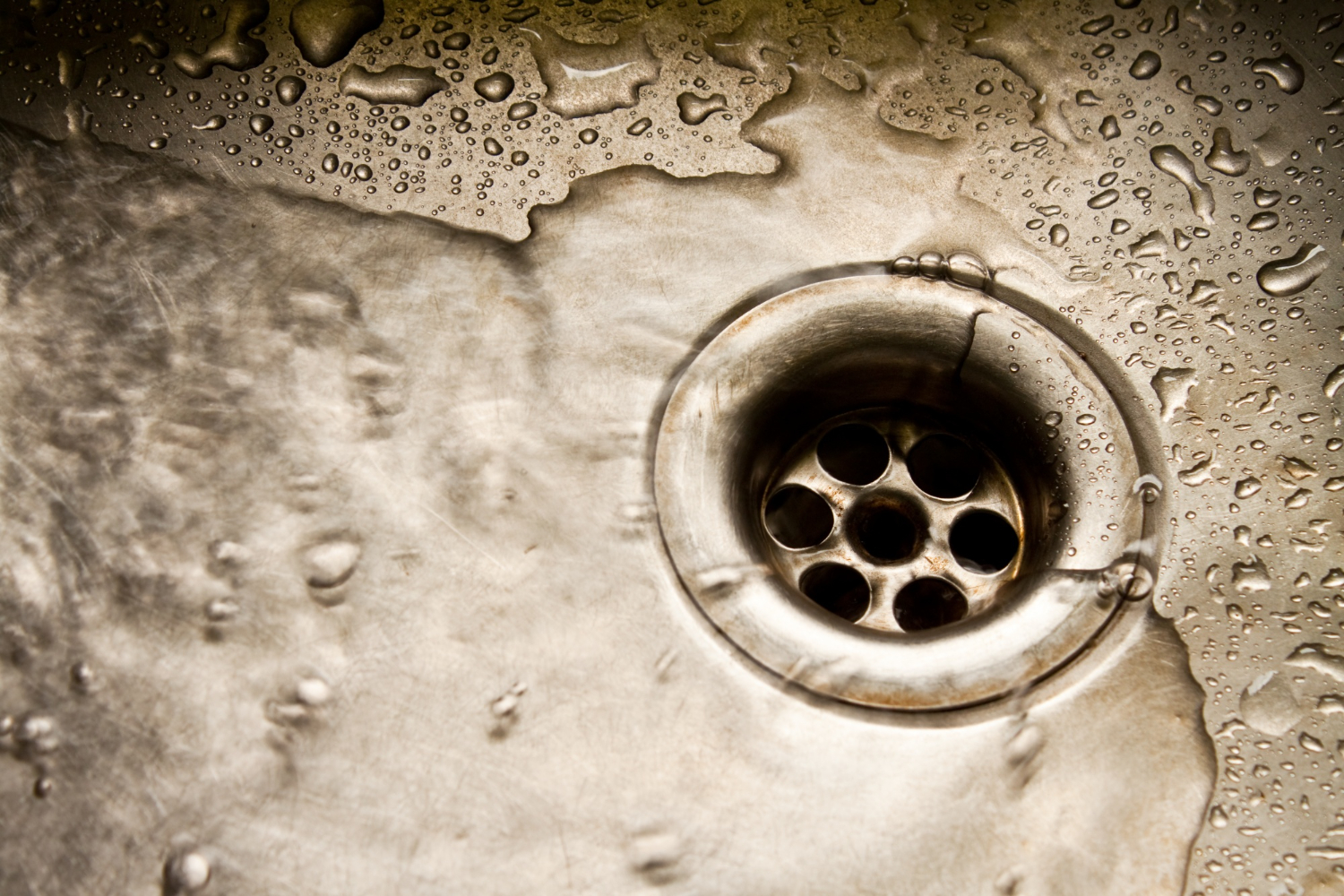
A bad smell coming from a sink, shower, or floor drain can make an otherwise clean room feel unpleasant fast. The tricky part is that drain odors don’t always mean something is “dirty” in the usual sense. In many cases, the plumbing is doing its job—but something inside the system has stopped working the way it should.
The good news is that most drain odors are preventable. With a bit of routine care and a few simple habits, you can keep your drains smelling neutral year-round.
Why Drains Start to Smell
Drains are designed to carry wastewater away, but they also create small pockets where odor-causing materials can build up.
Common causes include:
- Dry P-traps (no water seal)
- Buildup of grease, soap, and hair
- Food particles trapped in kitchen drains
- Bacteria growth inside pipes
- Blocked or partially blocked vent pipes
- Slow drainage that allows debris to sit
Most drain odors come from a combination of trapped organic material and stagnant water.
The Role of the P-Trap
Every sink, shower, and many floor drains have a P-trap, a curved section of pipe designed to hold a small amount of water.
That water acts as a barrier, preventing sewer gases from coming back into the home.
If the trap dries out or loses its seal, odors can travel directly into the room.
Dry P-Traps: A Common but Overlooked Cause
One of the most common reasons for drain smells—especially in guest bathrooms, basements, or rarely used sinks—is a dry P-trap.
This happens when:
- The fixture hasn’t been used in a while
- Water evaporates over time
- A trap is installed improperly or has a slow leak
How to fix it:
Simply run water for 30–60 seconds in the affected drain. This refills the trap and restores the odor barrier.
For floor drains, pouring a small amount of water periodically helps prevent the trap from drying out.
Preventing Buildup in Kitchen Drains
Kitchen sinks are especially prone to odors because they handle food residue and grease.
To prevent buildup:
- Avoid pouring grease down the drain
- Scrape plates before rinsing
- Run cold water when using the garbage disposal
- Flush with hot water after washing dishes
Over time, grease can coat pipe walls and trap odor-causing particles.
Bathroom Drain Odor Prevention
Bathroom drains collect hair, soap residue, and toothpaste buildup.
Helpful habits include:
- Using drain covers or hair catchers
- Cleaning visible buildup regularly
- Flushing drains with hot water weekly
- Avoiding excessive use of heavy, oily bath products
Even small amounts of buildup can create a persistent odor if left unchecked.
Clean the Drain Surface Regularly
Sometimes the smell isn’t deep in the plumbing—it’s near the drain opening.
You can reduce odors by:
- Removing and cleaning drain stoppers
- Scrubbing around the drain opening
- Wiping away soap scum and residue
- Cleaning overflow openings in sinks
This prevents bacteria from forming right at the source.
Flush Drains Periodically
Routine flushing helps keep pipes clear.
A simple maintenance routine:
- Run hot water for 30–60 seconds once a week
- Occasionally add a small amount of dish soap while flushing
- For kitchen drains, follow with hot water after heavy use
This helps move debris before it can settle and rot.
Watch for Slow Drains
A slow drain is often an early warning sign of odor problems.
Slow drainage allows:
- Food particles to sit in pipes
- Soap scum to accumulate
- Bacteria to grow more easily
If water is draining slowly, address it early before odors develop.
Baking Soda and Vinegar (Occasional Use Only)
A mild cleaning method can help reduce buildup:
- Pour baking soda into the drain
- Add vinegar and let it fizz
- Wait 10–15 minutes
- Flush with hot water
This helps loosen light buildup but should not be relied on for major clogs.
Check for Venting Issues
Plumbing systems rely on vent pipes to allow air into the system and keep water flowing properly.
If vents are blocked, you may notice:
- Gurgling drains
- Slow drainage
- Sewer smells coming from multiple fixtures
Blocked vents often require professional inspection.
Garbage Disposal Maintenance
If your kitchen has a garbage disposal, it can be a major source of odors if not maintained.
To reduce smells:
- Run cold water during and after use
- Clean regularly with mild dish soap
- Grind citrus peels occasionally for freshness
- Avoid overloading the disposal
Never rely on chemical cleaners that can damage internal components.
Floor Drain Maintenance
Floor drains in basements, laundry rooms, and garages often go unnoticed.
To prevent odors:
- Pour water into the drain monthly
- Add a small amount of mineral oil to slow evaporation
- Keep the area clean of debris
Dry floor drains are one of the most common sources of sewer gas smells in homes.
Common Mistakes to Avoid
A few habits can actually make odor problems worse:
- Ignoring slow drains
- Overusing chemical drain cleaners
- Letting P-traps dry out
- Pouring grease or oil down sinks
- Masking odors instead of fixing the cause
Temporary fixes rarely solve the underlying issue.
When Odors Signal a Bigger Problem
Some smells indicate deeper plumbing issues that need attention.
Call a professional if:
- Odors persist after cleaning and flushing
- Multiple drains smell at once
- You notice sewer gas indoors regularly
- Drains gurgle or back up frequently
- Smell worsens over time
These signs can point to venting problems, broken seals, or sewer line issues.
Drain odors are usually a sign that something small in the plumbing system needs attention—whether it’s a dry trap, minor buildup, or reduced airflow in the pipes.
Fortunately, most of these problems are easy to prevent with simple habits.
Regular flushing, basic cleaning, and keeping an eye on slow drains go a long way toward keeping your home smelling clean and your plumbing system functioning properly. A few minutes of maintenance here and there can prevent odors from becoming a recurring issue.